
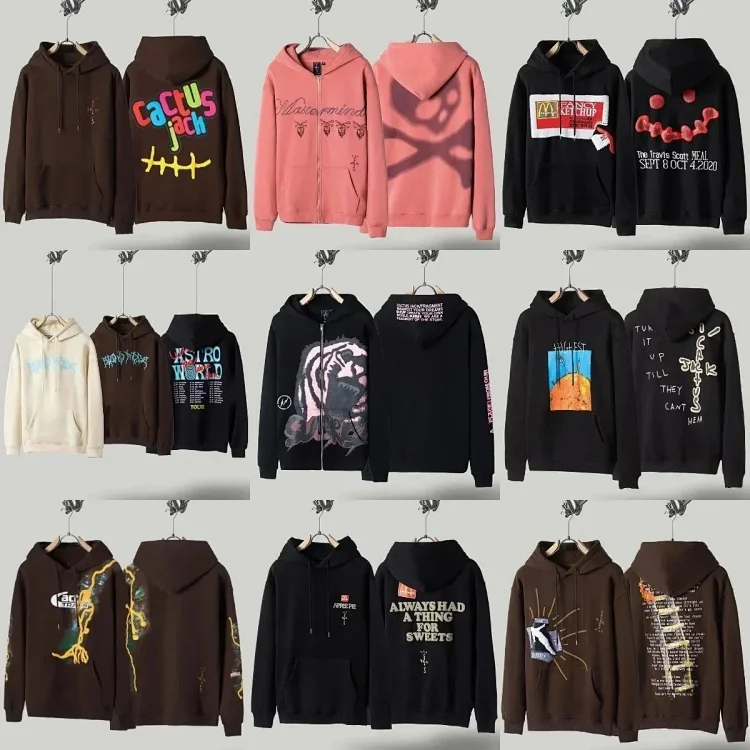
Use the matrix only after you have a real shortlist
A Hacoo product decision matrix is not another discovery feed. Use it after you have narrowed the field to two or three candidates that could plausibly solve the same wardrobe need. Write the need at the top: perhaps a lightweight everyday layer that fits over a T-shirt, a compact bag for a specific carry list, or shoes for a walking-heavy trip. Add the non-negotiable constraints—measurement, colour family, closure, capacity, deadline or maximum payable amount—that made each candidate eligible. If two products serve different jobs, do not force them into one score. Either choose the job first or build separate matrices. This protects the comparison from a common bias: letting the most dramatic image win even though it solves a different problem. Hacoo publicly describes a lifestyle discovery and shopping community with user and creator content. Inspiration is useful at the shortlist stage, but a final decision requires your own consistent criteria.
Set pass-fail gates before assigning points
Some requirements should never be averaged. Put them in a gate row and mark each candidate pass, unknown or fail. A required garment measurement below your minimum is a fail. A missing measurement is unknown, not an optimistic pass. A bag without evidence that it fits the necessary laptop size is unknown. A hard event date outside a sensible delivery buffer is a fail for that use case, even if every style score is high. Confirm the exact option and real destination before evaluating a gate, because colour, bundle, size, price and availability can change together. Stop a candidate when it fails a true non-negotiable. Do not let ten points for appearance cancel one failure that makes the item unusable. This is the first difference between a decision matrix and an unsupported “best Hacoo finds” ranking: the matrix can eliminate an attractive candidate and can leave every candidate rejected.
Weight criteria by consequence, not excitement
After gates, choose four to six scored criteria. Give the most decision-relevant factors the largest weights, and make all weights total 100. For an everyday jacket, you might use fit evidence 30, intended-use performance 25, compatibility with existing clothes 20, material information 15 and total-cost confidence 10. For a small bag, capacity evidence could replace fit. A decorative detail might deserve five points, not thirty, unless it is central to the brief. Write the weights before looking at candidate totals. Otherwise it is easy to change the rules so that a favourite wins. Weight represents consequence: how much does this factor change whether the item will actually be used? It does not represent how much text or social attention the product received. Keep price as one factor rather than the entire matrix, and assess the current exact option rather than an advertised starting price.
Score evidence confidence separately from product appeal
Use a simple 0–5 performance score, then add a separate confidence label. A score of five means the available evidence strongly meets your stated criterion; zero means it clearly does not. Confidence can be high, medium or low depending on the quality and recency of evidence. Measurements attached to the exact option are stronger than a general size label. Several consistent current images are stronger than one cropped creator post. A material specification is stronger than words such as “premium feel.” Hacoo's terms make clear that user and creator content is independent and may be inaccurate or outdated, so a confident creator statement does not become an official product fact. Do not award performance points for information that is merely absent. Mark the factor unknown or use a conservative score, then show the confidence label beside the total. A high total built on weak evidence is not equivalent to a slightly lower total built on clear facts.
Calculate the weighted result without hiding uncertainty
The arithmetic is straightforward: criterion weight multiplied by the candidate's score, divided by five. Suppose Candidate A receives 4/5 for fit evidence at weight 30; that contributes 24 points. If intended-use performance is 3/5 at weight 25, it adds 15. Continue across the row and sum to a maximum of 100. Candidate B may score 78 against A's 74, but the four-point gap is not decisive if B has low confidence on the highest-weight criterion. Add an uncertainty flag for every unknown worth at least 15 weight points. You can also calculate a range: treat an unknown as zero for the lower bound and as the best defensible score for the upper bound. A wide range means more evidence could change the winner. The matrix is a thinking aid, not a laboratory measurement; do not add decimal precision that the product evidence cannot support.
Run a wardrobe compatibility check after the score
A product can win its own matrix and still duplicate what you already own. List three real outfits or use situations in which the candidate would appear. Name the shoes, bottoms, layer or items carried rather than writing “goes with everything.” Check colour interaction, proportions, season, care burden and repetition. A hoodie intended for travel should work with the outerwear and bag already selected. A bag should accommodate the actual carry list and suit the planned transport. Shoes should match the walking conditions and the trouser shapes you use most. Deduct no arbitrary “wardrobe points”; instead, add a pass-fail question: can I name at least three credible uses without buying another supporting item? This keeps the decision centred on wardrobe value rather than novelty. If the answer is no, return to the original brief or reject the candidate.
Use tie-breakers that reveal the safer choice
When totals are close, compare the candidates in this order: fewer failed or unknown gates, stronger evidence on the highest-weight criterion, lower consequence if the assumption is wrong, and easier compatibility with the existing wardrobe. Only then use preference as the tie-breaker. Consider two jackets with near-identical scores. One has precise measurements and ordinary styling; the other looks more distinctive but lacks the chest width needed to judge layering. The first is the safer current decision. That does not prove higher quality; it means the available evidence supports the defined need more clearly. Save the date, exact option and reason for the tie-break. If new information arrives, update the affected row rather than rewriting the whole conclusion. A transparent revision is a strength because live listings and user-generated information can change.
Keep no-buy and recheck as legitimate outcomes
Finish with one of four outcomes: choose A, choose B, recheck a named missing fact, or buy neither. Set a minimum result before calculation—for example, every gate must pass and the weighted score must reach 70 with no low-confidence unknown in a 20-point criterion. The number is your rule, not a platform guarantee. If no candidate reaches it, preserve the wardrobe need and wait for better evidence or a better candidate. Before acting, reopen the exact live option and verify that the facts used by the matrix still apply. Record one sentence explaining the decision: “Candidate A meets the travel-layer brief because its recorded measurements, compatible outfits and closure evidence pass my gates.” If the sentence requires authenticity, quality, price or delivery claims that the evidence cannot support, revise it. A good Hacoo product decision matrix reduces motivated guessing; it does not manufacture certainty.