
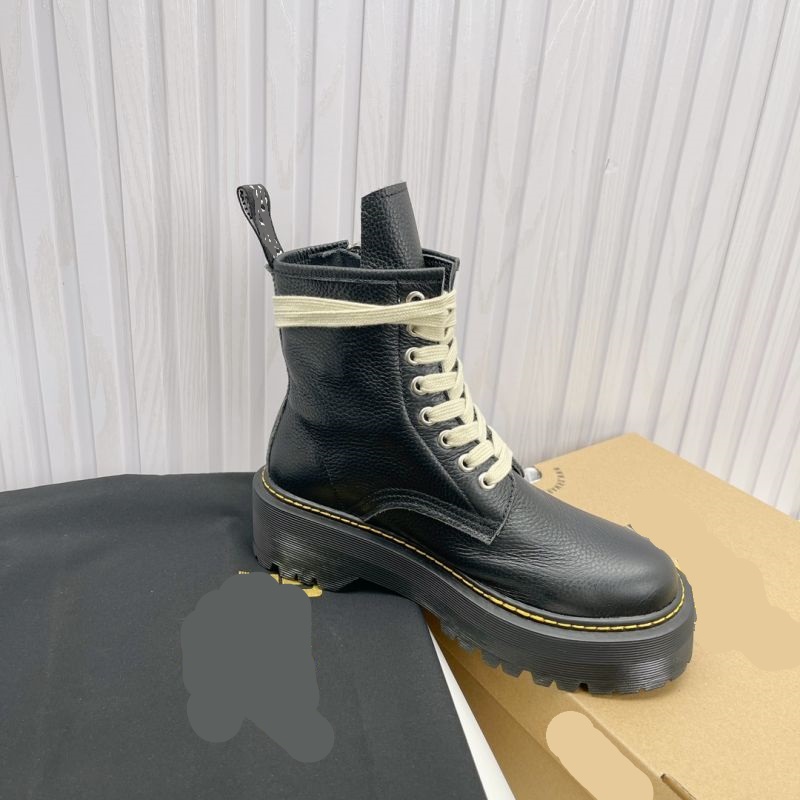
Begin with the exact product and the fit you need
A useful Hacoo size guide starts with the particular listing, not a universal conversion table. Letter sizes, EU numbers and seller descriptions can vary between products. Select the exact style and version before reading its size information. A chart elsewhere in a gallery may belong to another model. Check whether changing a variant changes the chart, the available sizes or the measurement notes. If the connection is unclear, treat the size information as unresolved.
Describe the fit you need in practical terms: a shirt that sits close to the body, a hoodie worn over another layer, or shoes used with thicker socks. Your usual size is a starting clue, not evidence that this listing will fit. The best comparison is between a known comfortable item and measurements taken the same way on the candidate. Keep the original units visible to prevent conversion errors later.
Measure both feet consistently
For a foot-length reference, stand on a flat sheet of paper with the socks you expect to wear. Mark the heel and the longest toe while keeping your weight on the foot, then measure the straight distance between the marks. Repeat for the other foot and record both results in millimetres or centimetres. Feet can differ, so use the longer measurement when comparing the listing's guidance. Repeat a doubtful measurement instead of rounding it toward the size you hoped to buy.
This measurement is foot length. It is not automatically the same as insole length, internal shoe length or outsole length. A listing's chart must state which dimension it uses. Do not add a universal allowance without understanding the chart, the shoe shape and the seller's instructions. Width, toe shape, intended socks and fastening adjustment can matter alongside length. A length-only chart cannot establish that a narrow shoe will suit a wider foot.
Read the shoe chart by its measurement label
Look for a clear relationship between the size option and the dimension stated in the chart. If a row shows a centimetre value, establish whether that value describes the foot or the shoe. EU, UK and US labels may also be presented differently for different categories. Do not combine numbers from unrelated conversion tables and call the result an official Hacoo size.
Compare with a pair that fits, but use matching dimensions. An outsole measured on your existing shoe cannot be compared directly with an advertised insole length. If you need an insole measurement, confirm whether the listing provides one for the selected size and how it was taken. Ask for clarification when the chart and selector contradict each other. If the required width or internal dimension cannot be established, keep that uncertainty visible rather than making a confident size recommendation.
Measure a garment you already wear comfortably
Lay a comparable garment flat on a level surface without stretching it. Smooth obvious folds and use the same measuring endpoints described by the listing. For a top, useful dimensions can include chest width from side to side, shoulder width, body length and sleeve length. For trousers, waist width, rise, inseam and thigh width may be more relevant. Record which garment you used as the reference and whether its fabric stretches.
Flat width and circumference are different quantities. Doubling a straight flat chest width gives an approximate circumference comparison only when the garment shape and measurement method make that appropriate. Do not compare a body chest circumference directly with a flat garment width. Similarly, a waistband measured unstretched is different from its stretched maximum. Write the measurement method next to each number so that a neat spreadsheet does not disguise incompatible measurements.
Compare the dimensions that determine the intended fit
Choose the dimensions that matter most for the way you will wear the item. A layering hoodie needs enough room over the clothing beneath it; a fitted top may depend more on chest and shoulder dimensions. Trousers can fit at the waist and still be unsuitable because of rise or thigh width. The label M or L cannot resolve those differences. Compare the actual dimensions one by one before looking at the size name.
Consider construction as well as numbers. Dropped shoulders can change where a sleeve starts, and a cropped body can be intentional rather than a size error. Stretch content and cut can affect how a garment behaves, but a listing description does not replace a wear test. Do not claim comfort, stretch recovery or shrinkage performance from a picture. If a critical feature is unspecified, record it as unknown and decide whether you need more evidence before choosing.
Work through a simple hypothetical comparison
Suppose a hoodie you like measures 58 centimetres across the chest when laid flat. A candidate listing gives 56 centimetres for one option and 60 for another, using the same endpoints. The first is two centimetres narrower across the flat garment; the second is two centimetres wider. That comparison is useful, but it does not by itself choose the right size. Check length, sleeve construction and the room needed for the layer underneath as well.
Now suppose another listing gives only a body-height recommendation. It cannot be compared with those garment widths as if it were equivalent evidence. Ask for the missing garment dimensions or leave that candidate pending. These numbers are an illustration, not measurements of a product on this site and not a recommended Hacoo size. A worked example should clarify the method without turning an invented scenario into a product specification.
Handle tolerances and conflicting information honestly
Some listings state a measurement tolerance or explain that manual measurements vary. Read the actual note and consider whether the difference could affect your fit requirement. Do not invent a standard tolerance for every product. A one-centimetre discrepancy may be acceptable for one loose garment and decisive for another use. Compare the uncertainty with the room available in your reference item rather than automatically ignoring small numbers.
If the chart, description and selected option disagree, save the conflicting information and ask a focused question. Specify the exact colour, size and version. A general answer such as normal sizing does not resolve a missing chest width or internal shoe length. When two candidates remain, prefer the one whose important dimensions can be checked under the same method, provided it meets your other requirements. Clear information reduces uncertainty; it does not guarantee manufacturing consistency.
Check fit promptly after delivery
Keep the size label, product bag and packaging until you have compared the received item with the selected option. Photograph any discrepancy before washing, modifying or extensively using the product. Measure the item by the same method used in your pre-order record. Distinguish an incorrect size label, a measurement different from the listing and a correctly supplied item whose fit you simply dislike; those are different explanations for an after-sales request.
Hacoo's public return guidance includes a general 15-day window for eligible requests and product-specific conditions. Check your current order terms and instructions promptly rather than assuming that every fit problem qualifies for a free return or exchange. Hacoo VIP cannot approve a return. A complete size record gives the responsible service something concrete to review: what you selected, which measurements you relied on and what arrived. The result is a more defensible decision than always sizing up or copying another buyer's letter size.
Save a size decision you can reproduce
Before choosing an option, keep a short record with five fields: the reference item you measured, the measurement method, your observed values, the candidate values and the selected size label. Add any unresolved dimension separately. For shoes, name the measurement as foot length, insole length or another stated dimension rather than writing only length. For clothing, say whether the value is flat width or circumference and whether the fabric was stretched. This makes the comparison reproducible after delivery and prevents a later reader from using a valid number with the wrong meaning. If the seller changes the chart before you buy, repeat the relevant comparison instead of keeping the earlier size out of habit. A complete record is not a fit guarantee; it shows exactly how the available information supported your choice.